EUDR Explained: Why Substrates like Coir(for now) are not in Scope for the Directive
The EU Deforestation Regulation (EUDR) represents a major shift in how commodities are placed on the European market. Its objective is clear: to ensure that certain products sold in or exported from the EU are deforestation-free and legally produced, with full supply-chain traceability back to the plot of land where they originated.
Under the EUDR, operators and traders must carry out strict due-diligence obligations for a defined list of commodities that have been identified as major drivers of global deforestation. These include coffee, cocoa, cattle, soy, palm oil, rubber, and wood, as well as a wide range of derived products.
However, not all natural or agricultural products fall within the scope of the regulation.
Why Coco Coir Is Not Currently Covered by EUDR
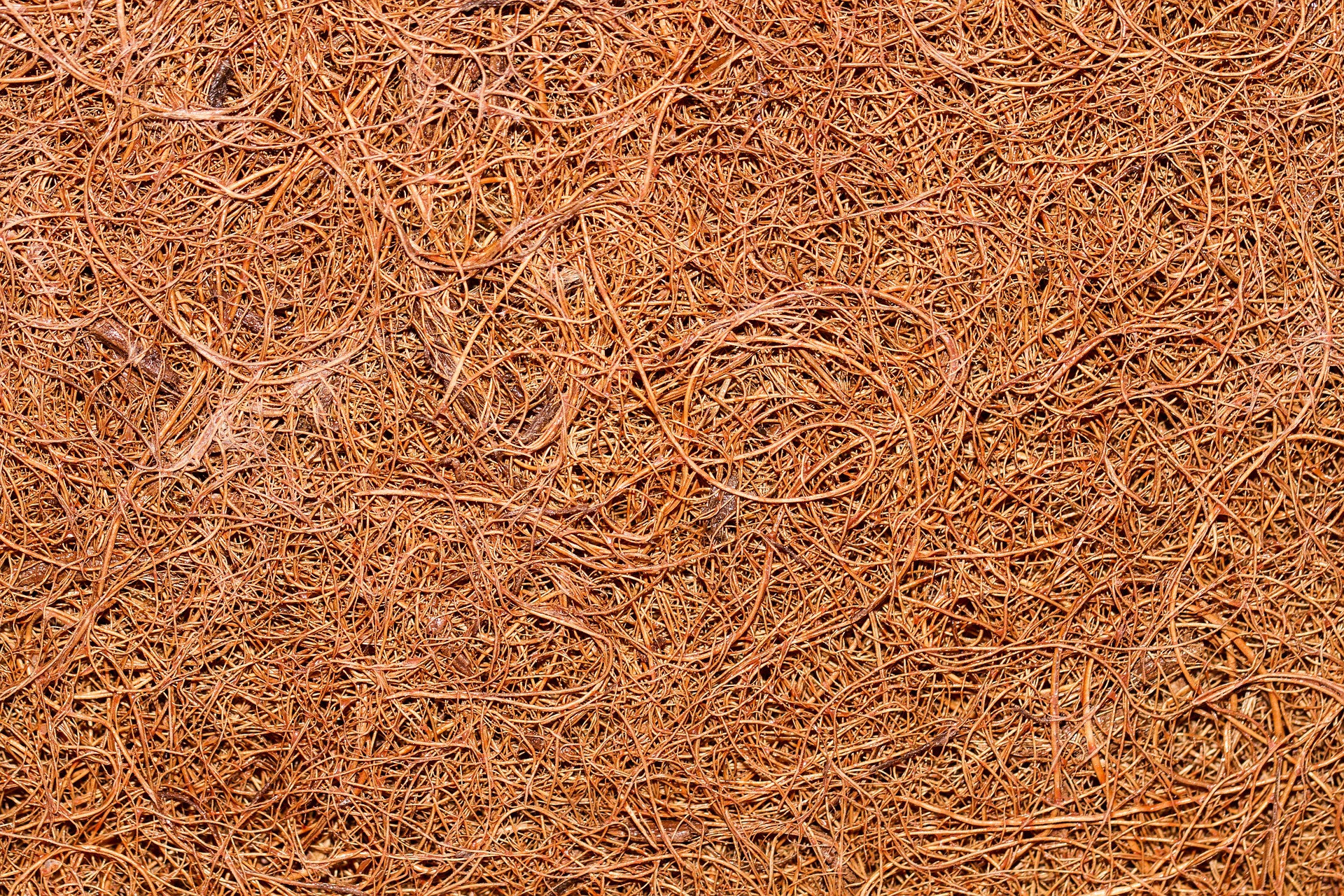
Coco coir, a natural fibre derived from coconut husks and widely used in horticulture and growing substrates, is not currently listed as an EUDR-regulated commodity. While coconut cultivation can raise sustainability and land-use questions, it has not (to date) been classified by the EU as a primary deforestation-risk commodity comparable to coffee, cocoa, or palm oil.
This means that placing coco coir on the EU market does not currently require EUDR-specific deforestation due diligence, such as geolocation data or deforestation risk assessments.
That said, “not covered by EUDR” does not mean “unregulated”.
Beyond EUDR: The Wider Compliance Landscape
Even when a commodity is outside the EUDR scope, exporters still face a growing set of regulatory, commercial, and ESG expectations, including:
- Phytosanitary and plant-health requirements
- Customs and import compliance
- Buyer-driven sustainability documentation
- Traceability and origin transparency
- Voluntary environmental or social standards
Importantly, the scope of EUDR may evolve over time, and buyers increasingly expect suppliers to be “EUDR-ready” even for non-listed products.
How We Help Producers and Exporters Navigate Compliance
We work with producers, processors, and exporters in non-EU countries to help them understand and navigate EUDR and related EU compliance frameworks — whether their products are currently in scope or not.
Our role is practical and hands-on:
- Explaining what applies and what does not to each commodity
- Mapping supply chains and identifying compliance gaps
- Preparing documentation and traceability frameworks
- Anticipating future regulatory expansion and buyer expectations
- Acting as a single point of coordination between producers, inspectors, logistics providers, and EU importers
For commodities like coffee or cocoa, this means full EUDR readiness. For products like coco coir, it means proportionate compliance — avoiding unnecessary costs while building credible, future-proof supply chains.
Looking Ahead
EUDR is not just a regulation — it is a signal of where EU trade policy is heading. Producers who understand this early and prepare accordingly will be best positioned to maintain access to the European market.
Whether your product is inside the EUDR scope today or not, we help ensure you are compliant, competitive, and ready for what comes next.
Euridex S.A.S. is a stragic international trade and investment firm, headquartered in Paris, France. Operating as a specialized Export Management Company (EMC), we orchestrate the global flow of industrial biocarbons and various sustainable substrates. By integrating technical expertise with sophisticated trade finance and IOR/EOR solutions, Euridex secures resilient supply chains worldwide.
Navigate the future of trade at euridex.com.