CARBON SEQUESTRATION & SOIL REGENERATION
The Future of
Carbon-Negative Agriculture.
Biochar represents a pivotal intersection between waste management and environmental restoration. Unlike traditional charcoal used for fuel, Biochar is a highly porous, carbon-rich material designed to be incorporated into soil systems to enhance fertility, water retention, and microbial activity. Euridex orchestrates the sourcing of premium Biochar produced through controlled pyrolysis, ensuring a stable, high-surface-area product that serves as a permanent carbon sink. As global industries move toward net-zero targets, we provide the logistical bridge for industrial-scale Biochar applications, offering a scalable solution for regenerative agriculture and verifiable carbon sequestration projects
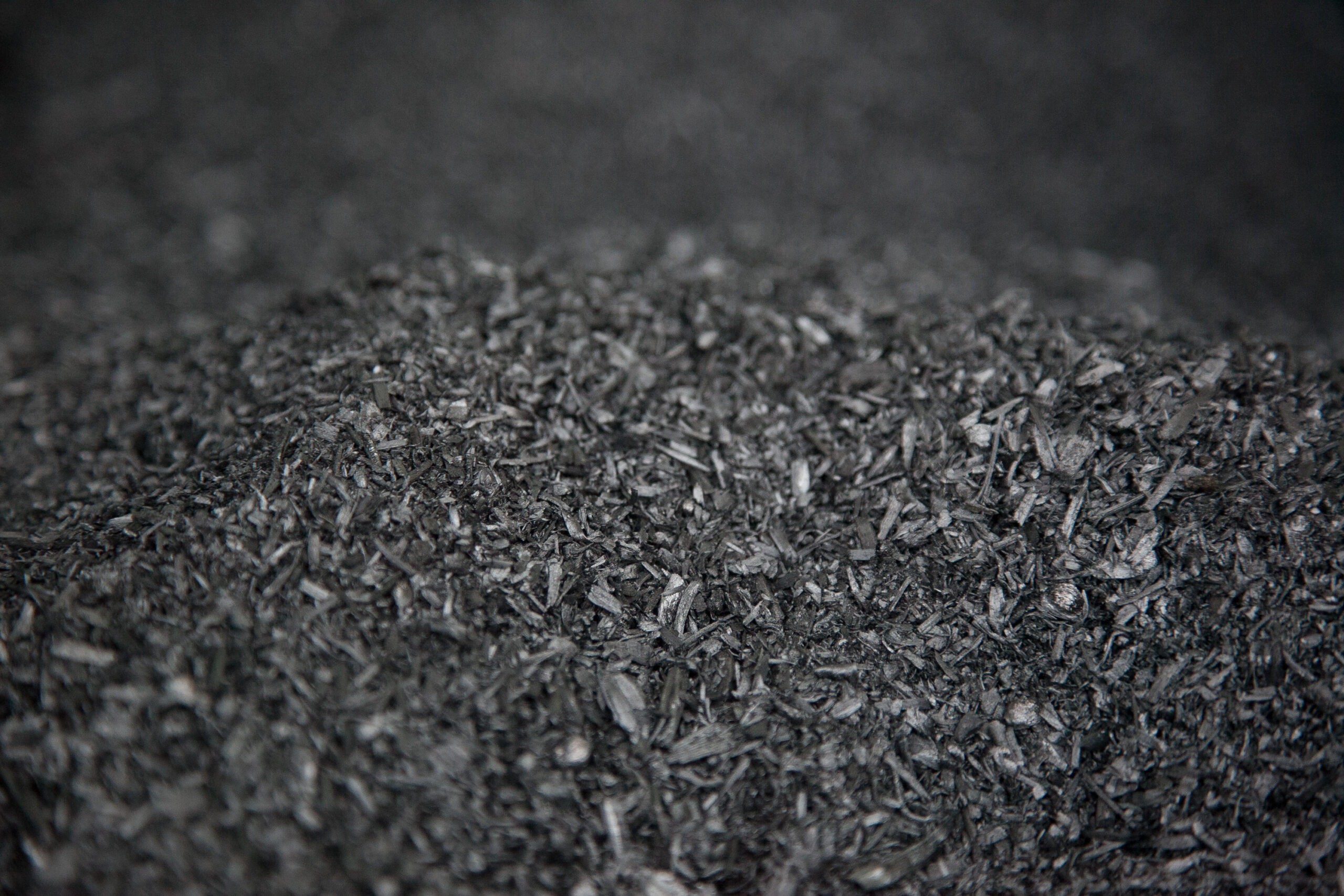
While Biochar is currently an emerging asset in the global commodity market, its role as a permanent carbon-removal technology is undeniable. Its unique ability to remain stable in soil for hundreds of years makes it a prime candidate for high-integrity carbon credits.
The Frontier of Soil Science
TOWARDS NET-ZERO TRANSITION
Core Value Drivers of PKS (Palm Kernel Shell) & Biochar
Regenerative Growing Media
Unlike organic compost that breaks down within a few seasons, Biochar remains stable for centuries. By integrating it into specialized substrates, we provide a solution that buffers soil pH and increases Cation Exchange Capacity (CEC), ensuring that fertilizers are held in the root zone.
Verifiable Sequestration
Each ton of Biochar applied to the earth represents a measurable volume of avoided emissions. Euridex focuses on sourcing Biochar with high Fixed Carbon (Cfix) content—the primary metric used to generate high-integrity carbon credits. This allows our partners to pursue both agricultural productivity and verifiable environmental offsets simultaneously.
Advanced Filtration & Recovery
Its unique chemical properties also make it effective in remediating contaminated industrial sites. When applied to “brownfield” soils, Biochar can immobilize toxins, preventing them from leaching into groundwater. This makes it a cost-effective, scalable component for environmental engineers tasked with large-scale land restoration projects.