Biocarbons Explained: Activated Carbon, Shell Carbon, Briquettes and Biochar
Biocarbons are carbon-based materials produced from biomass rather than fossil sources. They play a critical role across water treatment, air purification, agriculture, energy, and industrial processes. While often grouped together, products such as activated carbon, shell carbon, carbon briquettes, and biochar differ significantly in structure, performance, lifespan, and use cases.
Understanding these differences is essential for selecting the right material for the right application.
Activated Carbon: High Performance Adsorption
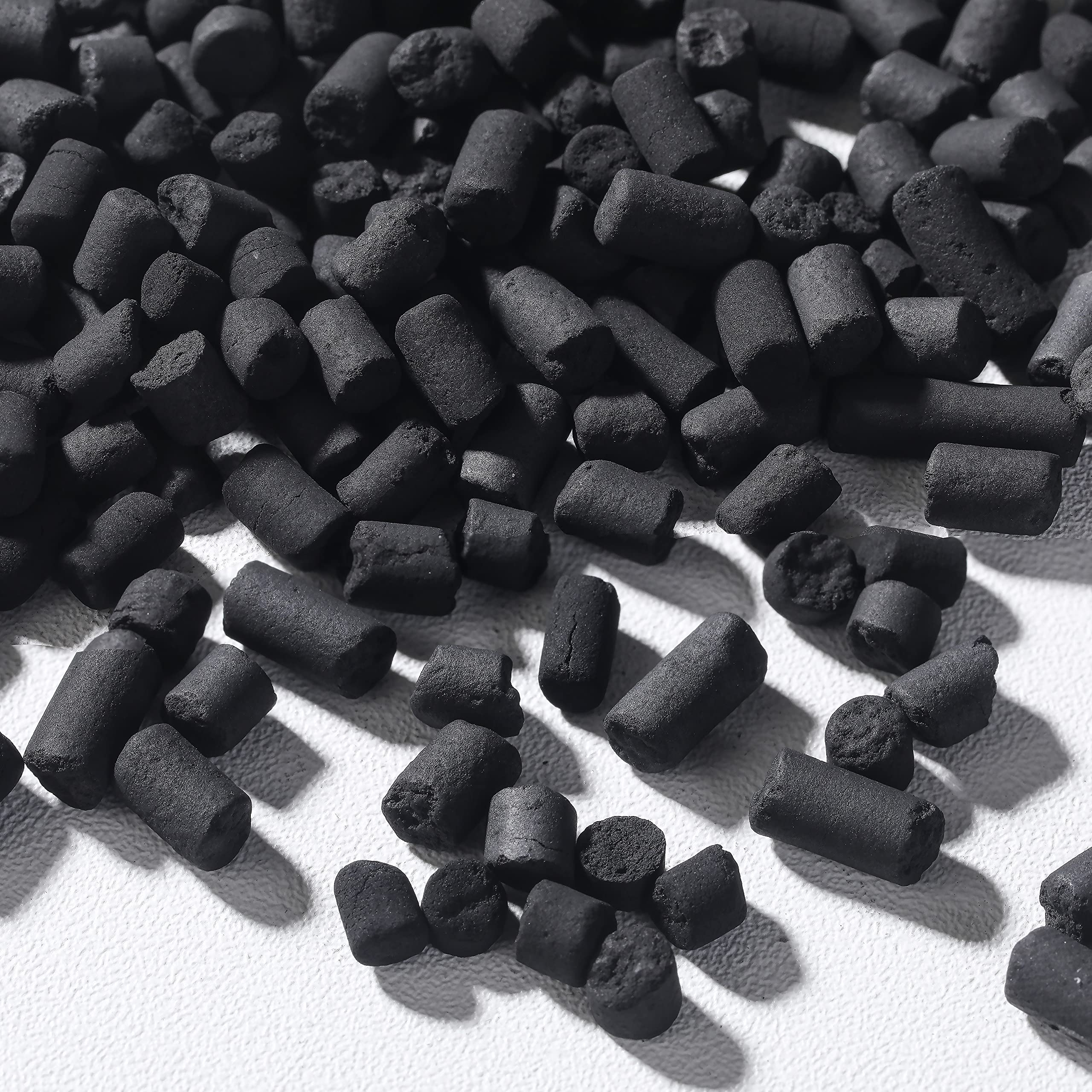
Activated carbon is the most technically advanced form of biocarbon. It is produced by carbonizing biomass (such as coconut shells, wood, or coal) and then “activating” it using steam or chemical processes to create a highly porous structure.
Key uses:
- Water purification (drinking water, wastewater, industrial effluents)
- Air and gas filtration
- Food and beverage processing
- Gold recovery and chemical purification
Advantages:
- Extremely high surface area and adsorption capacity
- Effective at removing organic compounds, chlorine, odors, and contaminants
- Available in granular, powdered, and pelletized forms
Limitations:
- Higher cost than other biocarbons
- Performance depends on correct specification and regeneration
- Finite lifespan depending on loading and regeneration cycles
Activated carbon can last months to years, depending on usage and whether it is regenerated or replaced.
Shell Carbon: A Durable Natural Feedstock
Shell carbon, typically made from coconut shells, is a dense and hard carbon material often used either directly or as a feedstock for activated carbon.
Key uses:
- Water and air filtration
- Metallurgical processes
- Catalyst support
Advantages:
- High mechanical strength and low ash content
- Renewable, waste-derived raw material
- Longer operational life compared to softer carbons
Limitations:
- Lower adsorption capacity than activated carbon unless further processed
- More limited use in high-spec purification without activation
Shell carbon offers a good balance between durability and sustainability, making it popular in long-cycle industrial applications.
Carbon Briquettes: Energy and Industrial Fuel
Carbon briquettes are compressed carbon products made from charcoal fines, agricultural residues, or other biomass sources.
Key uses:
- Industrial heating and furnaces
- Household and commercial fuel
- Metallurgical processes
Advantages:
- Uniform size and predictable burn characteristics
- Easier handling and storage than loose charcoal
- Can be produced from waste streams
Limitations:
- Lower surface area (not suitable for filtration)
- Performance depends heavily on binder quality and production method
Briquettes are designed for energy release rather than adsorption, with lifespan measured in burn time rather than cycles.
Biochar: Soil, Carbon Storage, and Environmental Uses
Biochar is a stable carbon material produced via pyrolysis and primarily used in agriculture and environmental applications.
Key uses:
- Soil improvement and nutrient retention
- Carbon sequestration
- Compost enhancement
- Environmental remediation
Advantages:
- Long-term carbon stability (decades to centuries in soil)
- Improves soil structure and water retention
- Supports regenerative agriculture and climate goals
Limitations:
- Not suitable for high-grade filtration
- Performance varies widely by feedstock and production process
Biochar’s value lies less in immediate performance and more in long-term environmental impact.
Choosing the Right Biocarbon
Not all biocarbons are interchangeable. Selection depends on:
- Use case (filtration, energy, soil, industrial processing)
- Required performance (adsorption, durability, burn efficiency)
- Cost and lifecycle considerations
- Regulatory and sustainability requirements
As industries move toward low-carbon and renewable materials, biocarbons are increasingly replacing fossil-based alternatives — but only when correctly specified.
Conclusion
Biocarbons are not a single product category but a family of materials, each with distinct properties and applications. From high-performance activated carbon to long-lasting biochar, understanding their differences is key to unlocking their full potential in industrial, environmental, and agricultural systems.
Used correctly, biocarbons offer a rare combination of performance, sustainability, and versatility across global markets.
Euridex S.A.S. is a stragic international trade and investment firm, headquartered in Paris, France. Operating as a specialized Export Management Company (EMC), we orchestrate the global flow of industrial biocarbons and various sustainable substrates. By integrating technical expertise with sophisticated trade finance and IOR/EOR solutions, Euridex secures resilient supply chains worldwide.
Navigate the future of trade at euridex.com.